A day at the Arkansas State Fair in Little Rock always comes with heat thick enough to feel like a wall the second you step outside.

If you’ve noticed your hearing aid batteries dying faster on days like that, you’re not imagining it. Central Arkansas summers push devices harder than most people realize, batteries included.

Disposable zinc-air batteries react to air to generate power, and heat speeds up that reaction, burning through the charge faster than usual. Rechargeable batteries aren’t off the hook either, since high heat can affect how well they hold a charge over time.

Humidity adds another layer, since moisture can clog the tiny air holes zinc-air batteries rely on to work right. Either way, your devices aren’t malfunctioning, the heat is just changing how your batteries perform.

What Heat Actually Does to Your Battery

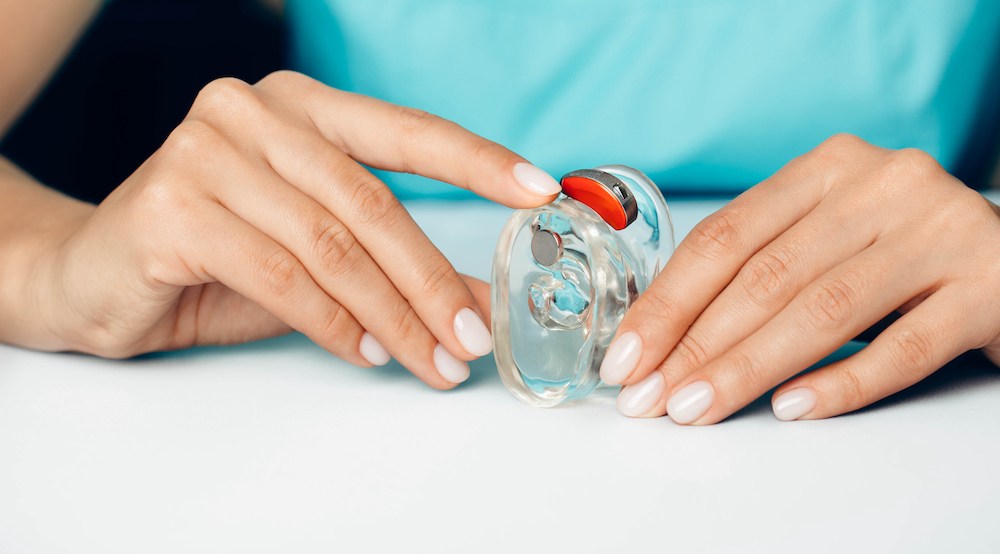
A zinc-air battery doesn’t do anything until air actually gets to the zinc inside it. Pull that tab and you’re opening tiny vents that let oxygen in. That reaction is what makes the power your hearing aid runs on.

Heat speeds that whole process up more than it should. The battery burns through its material faster and taps out sooner than you’d expect. That’s why battery life feels so unpredictable once it gets really hot outside.

Even batteries you haven’t used yet aren’t safe from it. Leave a pack in a hot car or anywhere else that heats up, and they can lose capacity before you ever pop one in. Keep them somewhere indoors at a steady temperature and they’ll last a lot longer.

How Rechargeables Handle Summer Differently

Disposable and rechargeable batteries don’t deal with heat the same way. Zinc-air batteries just run down faster as it gets hotter. Rechargeables have a different problem, since too much heat stresses the lithium-ion cell inside.

You’ll usually notice that as shorter stretches between charges. Keep exposing it to heat over and over and the battery holds less charge as it gets older. A normal hot day isn’t a big deal, it’s leaving the device somewhere unusually hot that causes trouble.

Charging habits matter too when it’s warm out. A charger sitting next to a sunny window can end up hotter than the room around it. Pick a cooler spot indoors and the battery charges under more stable conditions.

Why Humidity Throws Things Off Too

Humidity’s a problem because zinc-air batteries need clear little openings for air to reach the material inside. Heavy moisture can clog those up. It can also build up around the battery compartment and lead to corrosion.

Very dry air creates a different problem. Moisture within the battery can escape more quickly when the surrounding air is extremely dry. The battery may then stop working before all of its active material has been used.

A steady indoor environment is easier on zinc-air batteries than repeated swings between damp and very dry conditions.

Keeping hearing aids away from steamy rooms, intense dry heat and other extremes can reduce unnecessary battery trouble. That gives the battery more consistent conditions for producing power.

When Heat Starts Affecting Battery Performance

A battery does not always fail all at once. Sometimes the first clue is a change in how the hearing aid behaves. Hot conditions can make those changes appear sooner than expected.

Pay attention when performance suddenly becomes less consistent during warm weather. A few signs may suggest the battery is struggling or has been damaged. Watch for changes such as:

  • Sound becoming weak, distorted or unusually muffled
  • A hearing aid shutting off unexpectedly or restarting on its own
  • A battery compartment that feels noticeably warmer than usual
  • Swelling, residue or leaking fluid around the battery

Keeping Sweat Away From Hearing Aids

Central Arkansas summers can be hot enough that sweat becomes part of almost any outdoor activity. Moisture around the ears can reach microphones, battery doors and other small openings. That can cause intermittent sound, corrosion or other performance problems.

A quick wipe during the day can make a real difference. Dry the hearing aid casing and the skin around your ear with a soft cloth. This is especially helpful after yardwork, exercise or time spent outside.

At night, give any trapped moisture a chance to escape. Open the battery door on disposable models after removing the battery. A hearing aid drying system can also help when humidity and perspiration are frequent problems.

Watch for Condensation When Temperatures Change

Moving from a cold, air-conditioned room into hot, humid air can leave moisture on your hearing aids. That condensation can collect around the battery compartment, microphone openings and other small spaces.

You may not notice a problem right away, but the extra moisture can affect sound or cause the device to act inconsistently later.

This can happen after leaving a cool house, office, store or vehicle and stepping into Central Arkansas heat. If your hearing aids feel damp, wipe the outside gently with a soft cloth. Avoid putting them into a closed case while moisture is still present.

Give the devices a chance to dry before storing them for the night. If you use disposable batteries, remove them before opening the battery doors. Rechargeable hearing aids should be dry before they are placed on the charger.

Where Spare Batteries Should Stay

Spare batteries can lose useful life before they ever reach a hearing aid. Heat exposure during storage can change how well they perform later. That makes storage location more important than it may seem.

Choose places that stay fairly consistent throughout the day. Batteries should remain dry, separated from metal objects and away from concentrated heat. Better storage choices include:

  • A bedroom drawer or interior cabinet away from direct sunlight
  • A protected pocket inside a purse, bag or travel case
  • An indoor location away from stoves, vents and warm electronics
  • A carrying case that keeps loose batteries away from coins and keys

Wearing Hearing Aids in High Temperatures

Hot weather can make hearing aids warmer and expose them to more sweat, especially during long stretches outside. A wide-brimmed hat can reduce direct sun exposure without pressing against the devices. Planning walks, yardwork or errands for cooler parts of the day can also limit how much heat builds up around your ears.

Sweat can be just as troublesome as temperature. Moisture may collect near microphones, battery doors and other openings, which can interfere with performance. Wiping your ears and hearing aids with a dry cloth during breaks can help keep moisture from sitting on the devices.

Fabric hearing aid covers may also help during exercise, gardening or other active outdoor tasks. They absorb some moisture before it reaches the hearing aid itself. Clean or replace them regularly so damp fabric does not remain against the device.

Telling a Weak Battery From a Heat-Related Problem

A battery that is running low usually gives some warning. Depending on the hearing aid, you may hear a beep, chime or spoken alert before the device shuts down. Sound may also become weaker as the battery nears the end of its charge.

Heat-related trouble can be harder to predict. Static, distorted sound or a sudden shutdown may appear after the hearing aid has been in a very warm environment. If the device worked normally earlier and changed after extended heat exposure, temperature may be part of the problem.

Try a fresh battery first. If the problem continues, give the hearing aid time to cool and dry before using it again. If the same issue keeps coming back indoors, your audiologist can check whether something else is affecting performance.

Helping Your Batteries Last Longer This Summer

Good battery care starts before you even put one in. A few small habits can help your zinc-air batteries perform better in the heat and humidity, and cut down on residue and moisture building up around the compartment.

Follow these simple habits:

  • Keep the protective tab attached until you are ready to use the battery.
  • Handle batteries with clean, dry hands to avoid transferring oils, sunscreen or moisture.
  • Give the battery a short moment to activate after removing the tab.
  • Check the battery compartment for moisture or debris at the end of the day.

Battery Life Doesn’t Have to Suffer All Summer

Heat is hard on batteries, but a dead hearing aid in the middle of a hot day doesn’t have to be your normal. Arkansas Professional Hearing Care can look at whether your batteries are draining faster than they should, heat aside.

Small changes in how you store and handle them can make a real difference once summer really sets in. You can reach us in Bryant or Little Rock at (501) 614-7904, or in Hot Springs at (501) 359-3113.