How Smart Hearing Aids Shift With Your Environment
Think about how much of your day you spend moving between different

By: admin | March 25, 2026
Think about how much of your day you spend moving between different situations. You’re at home, then you’re out, then you’re somewhere loud, then you’re back in a quiet room trying to have a conversation.
Most of that happens without much thought, but someone using a hearing aid that requires manual adjustments has to manage each shift on top of everything else.
That’s the part that today’s hearing aids are actually solving. The better devices out there now are built to pick up on changes in your listening environment and respond on their own, without you having to stop and make an adjustment.
Less time thinking about your ears means more attention for whatever you’re actually there for, whether that’s a conversation, an errand or just getting through your day without it costing you more than it should. It’s not a dramatic change in how hearing aids look or feel.
It’s a change in how much work you have to do to use one, and that turns out to matter quite a bit.
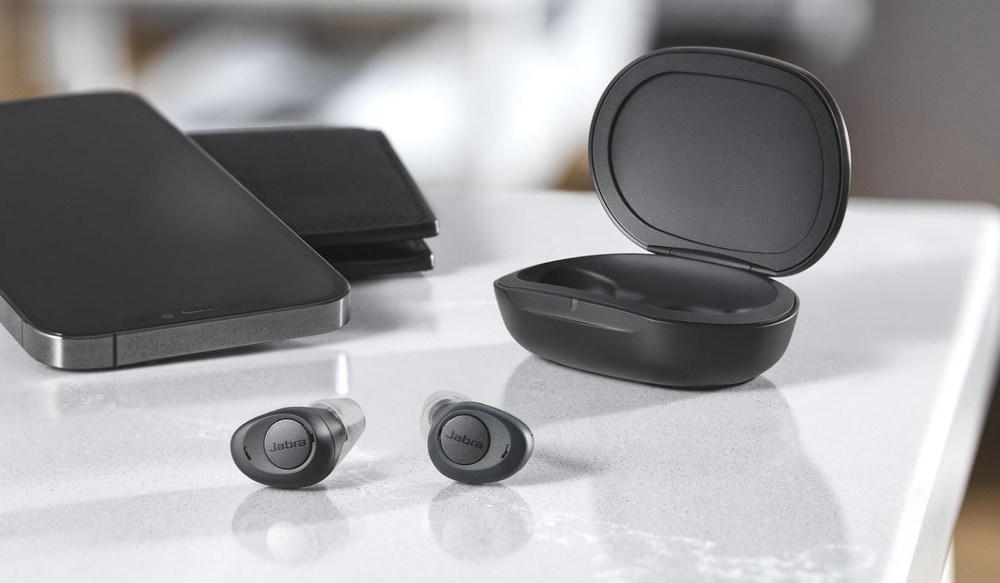
At its core, your hearing aid’s job is straightforward: pick up sound from the environment around you, process it and deliver it to your ear in a way that’s easier for you to hear. But the way that actually happens has a lot going on underneath it.
Sound comes in through a microphone, gets converted into a digital signal and then the device’s processor gets to work on it before sending it through to your ear. All of that is happening in real time, faster than you’d notice.
What makes modern hearing aids different from older ones isn’t the basic concept; it’s what happens during that processing step.
A device today isn’t just making sound louder across the board the way early hearing aids did. It’s working with the specific frequencies and patterns that are hardest for your ears, based on your hearing profile, and handling sound in a way that’s meant to feel natural rather than simply amplified.
The major differences in basic and advanced technology really come down to where you spend your time and how much effort you want to put into hearing.
Basic hearing aids are great if your day is mostly predictable, like having one-on-one conversations at home or watching TV. These devices focus on making speech louder and clearer in quiet spots, but they don’t have the “brain power” to sort through a lot of background noise.
You might find yourself reaching up to adjust the volume or change a setting manually when you walk into a louder room, but for a quiet lifestyle, they get the job done reliably.
Advanced technology is built for people who are constantly moving between different environments, like a noisy office, a windy park or a crowded restaurant. These devices act more like a smart filter that automatically identifies speech and pushes distracting background noise into the distance.
This automation takes the heavy lifting off your brain, so you don’t feel as exhausted at the end of a social event.
Automatic sound adjustment is designed to help you move from quiet places to noisy ones without needing to press buttons. This process makes using hearing aids feel more natural and comfortable as you go about your day.
The system follows a simple process to manage your environment:
Detecting background noise and speech is an important part of how modern hearing aids work. Built-in microphones pick up all the sounds around you, from voices to traffic. The computer chip inside then sorts these sounds into categories such as speech or background noise.
Many people find it difficult to hear conversations in noisy places like restaurants or busy streets. Hearing aids help with this by using special programs that focus on speech while reducing unwanted noise.
If you still have trouble following what someone is saying in a loud place, your audiologist can adjust your device’s settings for better results.
Smart hearing aids use several methods to help you hear speech more clearly, even in noisy places. Directional microphones focus on sounds coming from in front of you and reduce noise from other directions. This makes it easier to follow conversations when facing the person speaking.
Digital noise reduction is another helpful feature. The computer chip inside the hearing aid quickly recognizes background noises like traffic or crowds and lowers their volume without affecting speech as much.
Some advanced devices also use machine learning to tell the difference between speech and noise over time, learning from your listening habits and adjusting automatically for better results. These features work together to provide a more comfortable and natural listening experience.
Music and entertainment often sound different from regular conversations, so hearing aids need special settings for these situations. Many modern devices offer features that help you enjoy music, movies or live events more clearly.
Some hearing aids include dedicated music programs that adjust how the device processes sound. These programs can provide a fuller listening experience by allowing a wider range of tones and reducing sharpness that might make music sound distorted.
You may notice clearer musical notes and instruments, less distortion at higher volumes and a better balance between vocals and background sounds.
If you want to get the most out of your favorite songs or shows, ask your audiologist about these entertainment settings. Adjusting your device for music or movies can make listening more enjoyable and easier.
Everyone’s hearing needs are different, so hearing aids can be set up with custom programs to fit your daily life. Your audiologist can adjust settings for work meetings, family gatherings or quiet time at home.
Custom programs let you switch between environments easily with just a button press or through an app. Some devices even remember your favorite settings for certain places, making listening more comfortable and giving you better sound quality wherever you spend your time.
Most people have their phone with them all day anyway, and that’s actually changed how easy it is to manage a hearing aid. A lot of today’s devices connect directly to your smartphone, which means you’re not fumbling with a small device on your ear every time something needs adjusting. You just open an app and take care of it.
That kind of control is more useful than it might sound at first. Being able to quietly adjust your volume, check your battery, or switch settings for where you are, without anyone around you noticing, just makes the whole thing easier to live with.
Some apps also keep you connected to your audiologist, so small tweaks and updates can happen without an extra trip in. It’s a simple addition that makes the whole experience fit a little more naturally into how you already live.
Automatic adjustment functions in hearing aids make listening easier, but can use more battery power. These features work in the background, so your device may need to be charged or have its batteries replaced more often.
If you are used to changing batteries every few days, you might notice that smart hearing aids with adaptive settings require a bit more attention. Rechargeable models can help by letting you charge your device overnight so it is ready each morning.
Adaptive adjustment has come a long way, and for most routine situations, it does its job well. But there are environments that push any hearing aid harder, and knowing what those are helps you go into them with realistic expectations rather than feeling like something is wrong with your device.
Some settings tend to be more demanding than others:
A lot of people come into an appointment knowing something isn’t quite working but not knowing how to put it into words. That’s completely fine. You don’t need to walk in with the right technical vocabulary or a prepared list of complaints.
What’s actually more useful is being able to describe what’s happening in real life, where things feel harder, what situations you’ve been avoiding and what your day actually looks like. That gives your audiologist something concrete to work with.
From there, it’s worth asking direct questions about what your current device can and can’t do automatically, and whether there are options that might handle your specific situation better. If you’re not sure what to ask, start simple.
Ask your audiologist to walk you through how your hearing aid is responding to different environments and whether your settings are still a good fit for where your hearing is today.
Smart hearing aids have changed what it means to wear a hearing aid day to day, but the technology only does so much on its own. Getting the right device, making sure it’s fitted properly and knowing how to work with it in the situations that matter to you, that’s where the real difference gets made.
If you’ve been wondering whether your current device is keeping up, or whether there’s something out there that might work better for your life, those are exactly the kinds of questions worth bringing to our team.
At Arkansas Professional Hearing Care, we’re here to help you work through those questions. You can reach our Bryant and Little Rock locations at (501) 588-0177, or our Hot Springs location at (501) 760-0565. It’s a straightforward conversation, and it’s a good place to start.
Tags: hearing aid basics, hearing aid repair, hearing aid styles
Think about how much of your day you spend moving between different
By: admin | March 25, 2026
Traveling should be exciting and enjoyable, but if you have hearing loss,
By: admin | October 20, 2025

Being outdoors with hearing aids feels different than wearing them inside.
By: admin | July 29, 2025